

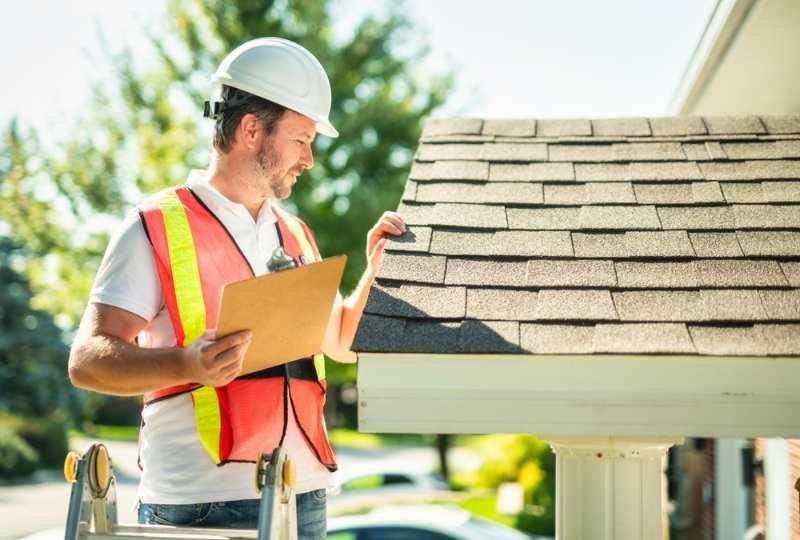
Nobody thinks about their roof until it starts leaking, and by then you're usually in a hurry to fix it. That rush is exactly when people end up hiring the wrong roofing contractors. A little homework upfront saves you from a mess later, so let's walk through what actually matters when you're choosing someone to work on your home.
At the most basic level, roofing contractors are the people you call whether you've got a small leak or need a full roof replacement. They'll come out, look at the damage, tell you what materials make sense, and take care of permits so you don't have to. One thing worth asking upfront: what does the warranty actually cover once the job is done?
There's something to be said for hiring someone who already knows your area's storms, seasons, and local building rules inside and out. Local roofing contractors tend to show up faster when something goes wrong, and they usually know suppliers nearby too. Plus, if anything comes up after the job wraps, they're not hours away and hard to reach.
A company that only does patch jobs isn't going to cut it if your roof needs real attention. Solid roofing services should cover inspections, storm damage repair, gutters, ventilation, and full roof replacement when that's what's needed. Honestly, the more roofing services a contractor offers, the more likely they've dealt with your specific problem before.
| Roofing Service | What It Covers |
| Inspection | Checking for leaks, wear, and structural issues |
| Repair | Fixing shingles, flashing, or minor leaks |
| Roof Replacement | Removing and installing a full new roof |
| Storm Damage Repair | Addressing hail, wind, or fallen debris damage |
| Gutter Services | Cleaning, repairing, or replacing gutters |
Here's the thing: not every one of these roofing companies plays by the same rules. It's worth getting quotes from at least three before you commit to anything. And don't just look at the bottom line number. Pay attention to how experienced they sound, what the warranty covers, and whether they actually answer your questions clearly.
This one's non-negotiable. Make sure any roofing contractors you're considering actually carry current licensing and liability insurance, so you're covered if something goes wrong on your property. Don't just take their word for it either. Ask to see the paperwork. It takes two minutes and tells you a lot.
Reviews are useful, but talking to real people is better. Ask each contractor for a couple of recent local references and actually call them. Someone who just had a roof replacement done can tell you things a five-star review never will, like how the crew handled cleanup or unexpected delays.
A good estimate spells out materials, labor, the timeline, and how payment works, all in plain language. If someone's only giving you a number over the phone and pushing you to sign fast, that's worth noticing. Lay a few estimates next to each other, and the outliers usually stand out pretty quickly.
Also Read: Testimonial vs Review: Know the Difference for Businesses
There are a handful of established names that keep coming up when homeowners talk about who did a good job. None of them is automatically "the best" for everyone; it really depends on your project and budget, but here are five worth researching.
Beyond roofing, this company also handles siding, windows, and gutters, so it's a decent option if you're tackling the whole exterior at once. They back their installs with an in-house workmanship guarantee that's separate from whatever the manufacturer covers, and they offer financing too, which helps if roof replacement isn't something you can pay for outright.
This one operates in more than twenty states and has built a name for itself through strong manufacturer partnerships. Reviews on the installation side tend to be pretty solid. The pricing runs a bit higher than average, so it's probably a better fit if you're after premium roofing services rather than the cheapest bid on the table.
This regional contractor has been working the Mid-Atlantic for decades and has built a loyal following through consistent, reliable work. They don't operate outside a handful of states, so it won't be an option everywhere. But if you're in their service area, they're a strong choice among local roofing contractors.
Known mostly for speed and a lifetime transferable warranty, Erie Home sticks to metal and asphalt roof replacement work. Their own trained crews handle installs, not subcontractors, which some homeowners prefer. Just know that if you also need siding or windows done, you'll be hiring someone else for that.
If none of the bigger names serve your area, both GAF and Owens Corning keep directories of certified independent contractors. These smaller local roofing contractors go through the same certification training as the big companies do. It's a solid starting point when the national names simply aren't nearby.
A few signs tend to show up before things get really bad, like curling shingles, leaks that keep coming back, or daylight sneaking through the attic. A sagging roof, or one that's pushing past twenty years old, usually means repairs alone won't cut it anymore. Catching these early can save you from a much bigger, more expensive problem later.
Not every contractor who shows up at your door has good intentions, and some warning signs are worth paying attention to right away, no matter how smooth the pitch sounds.
There's no single answer here; it really depends on your materials, the size of your roof, and what labor costs where you live. Asphalt shingles are usually the cheapest way to go, while metal or tile will cost noticeably more upfront. Getting a few quotes from local roofing contractors is really the only way to get a realistic number for your own home.
While you're at it, it's worth comparing other home service providers using the same approach. Vetting window cleaning companies follows a lot of the same steps around licensing and reviews. And plenty of homeowners look into home security providers around the same time they're dealing with roof work, since both are really about protecting the home long term.
Sorting through roofing companies takes a bit of patience, but it pays off when your roof actually lasts as long as it should. The reliable roofing contractors are the ones who communicate clearly, hand over real documentation, and stand behind their roofing services with warranties that mean something. Take your time here. Your home's worth it.
Most roof replacement jobs wrap up in one to three days, depending on the size of your roof, the material, and the weather that week. Bigger or steeper roofs can take longer. It's always worth asking your contractor for a realistic timeline before you sign anything.
Asphalt shingles often last about 20 to 25 years. That can change a lot based on where you live and how the roof was put on. Air flow in the attic also matters. If you get the roof checked now and then, you can catch small issues early. A local roofer can tell you more for your exact area and home.
Yes. It is worth it. Try to get quotes from three or more companies. Then you can compare the costs, the materials they plan to use, and the warranty terms. You can also see if one offer looks off, like a price that is far lower than the rest or wording that does not say much.
Quite a few experienced roofing contractors will help document the damage and even talk directly to your insurance adjuster. That kind of support can speed things along. It's worth confirming upfront whether this is included before you pick someone for storm-related roof replacement work.
Ask about their licensing, insurance, how long their warranty lasts, the expected timeline, and how they handle cleanup once roof replacement wraps up. Request a few recent local references too. These questions go a long way toward helping you feel confident before signing anything.
This content was created by AI