

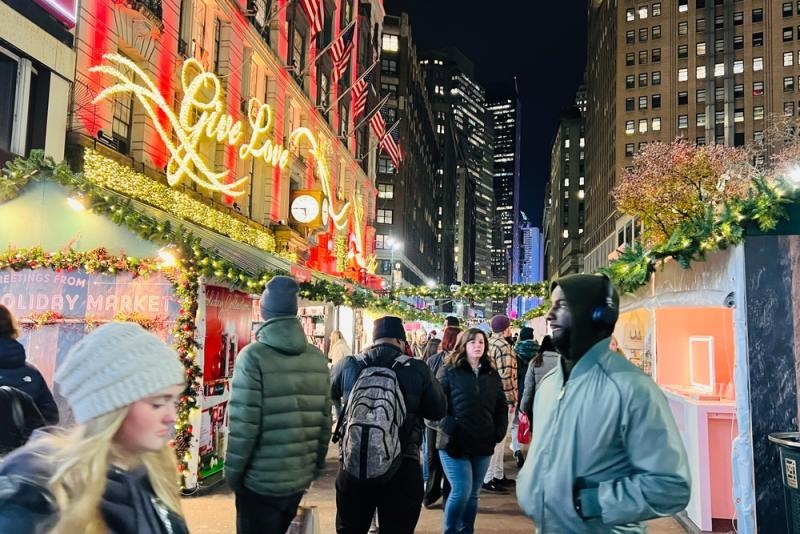
There's something about a holiday market that makes an ordinary winter weekend feel special. String lights overhead, the smell of roasted chestnuts, rows of handmade goods waiting to be picked through. Cities big and small across the country host their own version of this tradition, and each one carries a bit of local flavor. Whether you're drawn to the old-world charm of Christmas markets or something smaller and closer to home, there's a local holiday market out there worth your Saturday.
A holiday market isn't really about the shopping alone. It’s more like a gathering spot, a place where a community sort of meets up during one of the busiest parts of the year, you know. Wooden stalls line the paths, packed with ornaments, candles, and warm winter gear, while the food vendors keep everyone moving and fed with hot drinks and little seasonal bites too.
What separates a good festive marketplace from an average one usually comes down to what else is happening around the stalls. Live music, an ice rink, maybe even a carousel tucked into the corner. That extra layer is often the reason people come back year after year instead of treating it as a one-time errand.
The country's best-known Christmas markets tend to show up in a handful of regions, and each brings something a little different to the table. Knowing roughly where to look makes the planning part a lot easier.
Bethlehem, Pennsylvania, earned its nickname "Christmas City" for good reason. Its market pulls in over a hundred vendors selling handcrafted goods right through the historic downtown. New York City runs several markets at once, with Union Square and Bryant Park standing out for their sheer number of stalls and skyline backdrop. Philadelphia's Christmas Village, built on German tradition, fills Love Park with more than a hundred booths every season.
Chicago's Christkindlmarket turns Daley Plaza into a German-style winter village, complete with authentic food and hand-carved ornaments. Atlanta leans into a similar Bavarian feel over in Buckhead, with the market hosted by the city's German American Chamber. Between the two, it's clear a festive marketplace doesn't need a European zip code to feel genuine.
Denver's Christkindlmarket has grown into one of the bigger winter markets in the region, now spread out across the Auraria Campus with more room for vendors than before. A restored carousel and a glass ornament workshop give visitors something to do besides browse. Out here, the mountain backdrop adds a kind of drama you won't find at most East Coast markets.
Also Read: Smart Event Sponsorship Strategies That Boost Real ROI Fast
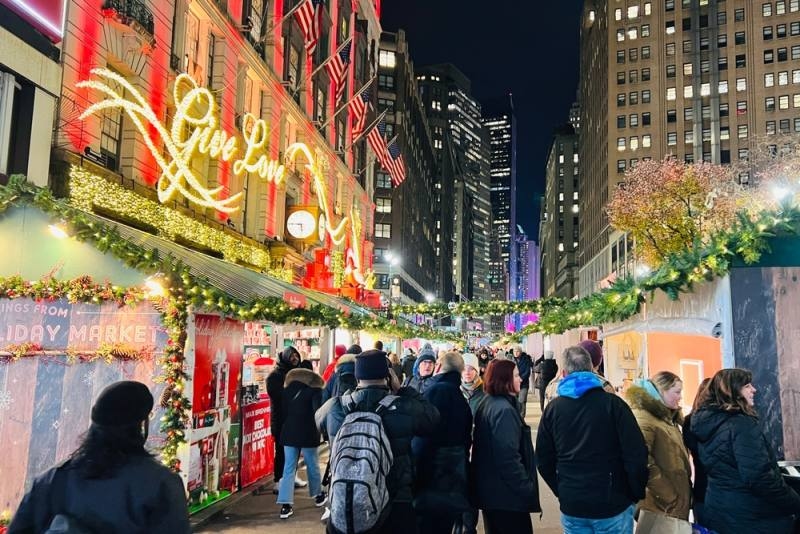
Every local holiday market has its own quirks, but a few things tend to show up no matter where you go. Here's a rough idea of what greets you at most of them:
| Feature | What to Expect |
| Vendors | Handmade gifts, ornaments, jewelry, and winter clothing |
| Food & Drink | Mulled wine, roasted nuts, hot cocoa, and regional snacks |
| Entertainment | Live music, choirs, dance performances, or carolers |
| Admission | Usually free, with costs limited to food and purchases |
| Hours | Extended evenings so the lighting can really shine |
That basic setup holds up whether you're at a massive downtown event or a small neighborhood pop-up. The scale shifts, but the feeling of wandering, snacking, and taking it all in stays pretty much the same.
A little planning saves a lot of frustration once the crowds show up. Weekends get packed fast, especially the closer you get to Christmas.
None of this takes much effort, but it turns a chaotic afternoon into one you'll actually enjoy. It also leaves more time for actual browsing instead of just pushing through foot traffic.
Spending money at a local holiday market means it goes straight to a small business owner or a regional artisan, not a big box retailer. What you're buying is usually one of a kind, made by the person standing right there behind the table. That kind of closeness is part of what makes these markets feel different from a plain shopping trip.
There's something bigger going on, too. These gatherings build a sense of community during a season that can otherwise feel rushed and impersonal. Neighbors bump into each other, kids meet whatever seasonal character is making the rounds, and strangers end up chatting over a shared table of hot cider. It's a small reminder that the holidays are as much about being around people as they are about the gifts themselves.
Holiday markets have something for almost everyone, whether you're there to knock out your gift list or just want a festive afternoon out in the cold. Whether it's the grandeur of a big city Christmas market or the charm of a smaller festive marketplace down the street, a bit of planning goes a long way. Pick one near you, check the dates, and let it become part of how you spend your winters.
Must Try: Top Event Technology Services to Watch for 2026 Trends
Most holiday markets open around mid-November and run through late December, though exact dates shift by city. A few stretch into early January. It's worth checking each market's own schedule before you plan your trip.
Most of them are, yes. You'll only pay for food, drinks, and whatever you decide to buy. A handful of themed or specialty events charge a small entry fee, so it's worth double-checking beforehand.
Cash for smaller vendors, comfortable shoes since you'll be walking a lot, and warm layers because most markets sit entirely outdoors. A reusable bag helps, too, so you're not juggling plastic ones between stalls.
Chicago, New York, Bethlehem, Philadelphia, Denver, and Atlanta consistently come up as favorites. Each one mixes European-inspired traditions with local vendors, food, and entertainment shaped by its own region.
Plenty do. Carousel rides, ornament-making workshops, and visits with seasonal characters are common extras. Some markets also throw in caroling or small parades, which makes them a good fit for families with young kids.
This content was created by AI