


Remember when planning events meant drowning in spreadsheets, chasing down email threads, and missing updates left and right? That’s all changing. By 2026, tech will have taken charge, handling most of what people used to juggle by hand. Registration is smoother, attendee tracking got smarter, and hybrid formats feel less awkward now. Some tools handle everything. Others focus on one messy problem and fix it well.
But picking the right platform still matters. Too many features can slow teams down; too few create chaos. In this blog, we will look at the top Event Technology Services shaping 2026 trends, what they do well, plus which event types they fit best.
The demand for better Event Technology Services keeps growing because events are no longer simple one-day gatherings. Companies want data, better engagement, smooth check-ins, and tighter budgets — all at once. Attendees expect speed, too. Nobody wants long registration lines or broken virtual sessions.
Now you’ve got software managing schedules, networking, attendee communications, ticketing, and even audience analytics — saves a ton of time. Less confusion. Faster decisions.
Strong event management software now does much more than task management. Most modern tools combine planning, attendee tracking, communication, ticketing, sponsor visibility, plus reporting in one place.
The best systems for 2026 are becoming flexible rather than overloaded. Teams want software that works without feeling complicated.
Among the strongest platforms right now, Bizzabo stands out for companies running conferences, expos, and business-heavy events.
It handles event planning, registrations, networking, analytics, and sponsor management — mostly in one system. That saves teams from switching between tools every hour. A small thing, maybe, but it adds up quickly during event week.
For massive conferences, Event Management Software like Cvent still matters. Big attendee numbers create problems fast.
They handle big, complicated operations better than the smaller players. It fits companies running corporate events or annual business events where organization matters more than flashy features.
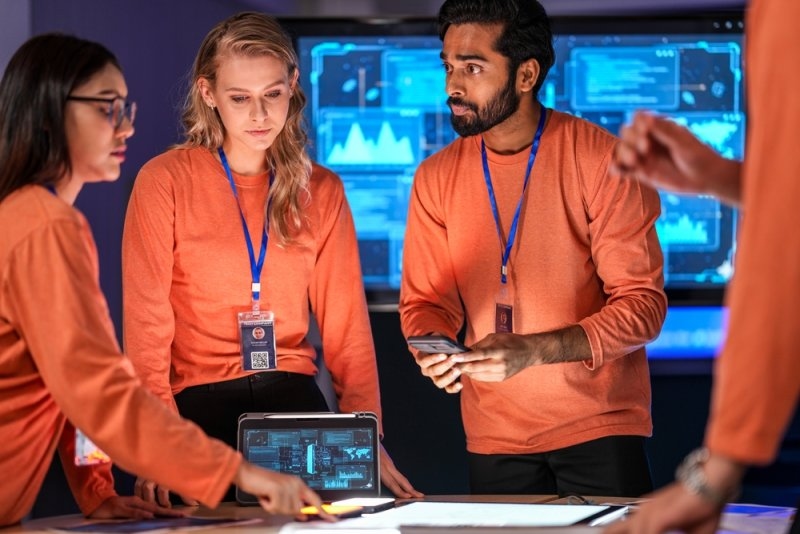
The early virtual events felt robotic. Too many glitches, boring layouts, awkward networking rooms. That phase mostly passed.
These days, a solid virtual event platform does way more than stream content. It’s all about interaction: breakout sessions, networking lounges, live polls, quick chats, even AI-driven suggestions so nobody feels left out.
Hopin’s still going strong for hybrid and virtual events since it blends the physical and digital sides without shortchanging either.
For hybrid events, this matters a lot. Virtual guests can join networking rooms, access sessions, and interact with exhibitors — while in-person attendees stay connected too.
Some event software handles logistics. Others improve the attendee experience. Whova leans heavily into engagement.
Its networking tools, live discussion features, agenda updates, plus interactive elements help people stay active during events instead of quietly leaving halfway through.
Not every attendee wants to travel. Yet fully online events still feel limited for some industries. Because of this, Hybrid Event Solutions are slowly becoming standard rather than optional.
Hybrid events widen audience reach without doubling event costs. Companies can attract international participants while still hosting a physical venue.
Here are a few big advantages:
Virtual attendees notice right away when they’re treated like an afterthought.
Among modern Hybrid Event Solutions, Hopin stays popular because it creates smoother transitions between virtual and physical participation.
Networking spaces, live streams, sponsor booths — everything stays connected in one place. Not perfect always, but practical enough for most event teams.
Good Event Planning Technology no longer reacts to problems. It predicts them.
That shift is changing event planning in subtle ways. Software can now estimate attendance, track engagement, predict registration, and suggest improvements using data from past events. That’s honestly pretty impressive.
EventStack stands out because it works in modules rather than forcing organizers into one rigid system.
Some teams only need registration tools. But not everyone needs all that. Some people just want an easy way to handle scheduling and operations, especially for small and mid-sized gatherings. EventStack allows flexibility, which smaller companies often prefer.
Modern Event Planning Technology also focuses heavily on safety now. That part gets overlooked.
Security systems today can track crowd movement, manage emergency alerts, verify attendee credentials, and improve access control. For large venues, this matters a lot.
Nobody talks much about registration software until something breaks.
Bad check-ins create frustration immediately. Long lines, ticket issues, delayed badges — first impressions disappear fast. Good Event Registration Software fixes these problems before attendees notice them.
For small and medium-sized events, Eventbrite remains one of the easiest options.
It works especially well for workshops, local events, business meetups, and ticketed experiences. The platform stays simple, which honestly helps smaller teams avoid confusion.
Also Read: Event Capacity Management That Keeps Guests Safe and Calm
The event industry is changing quickly, maybe faster than many organizers expected. In 2026, strong event technology will not just support events — it will shape them. Better planning tools, stronger attendee engagement, smarter registration systems, plus smoother hybrid experiences are becoming normal expectations.
No single platform works for everyone. That is the real thing to remember. The best event tech depends on your size, audience, budget, and what you’re trying to do. Stick with tools that cut the hassle — not ones that just pile on more stuff to manage. Usually, simpler wins.
It's probably the learning curve. Teams get frustrated pretty fast if the software is crammed with features they’ll never touch. If you train everyone early, you clear up confusion and make the whole process smoother.
Tons of platforms have pricing tiers made for smaller teams. Start basic and upgrade only when your event grows—it just doesn’t make sense to pay for bells and whistles you’ll never use.
Some tools let you handle sponsor branding, set up booths, track leads, and pull real analytics. So, organizers can actually show sponsors the value once everything wraps up.
Definitely helps. With smart systems tracking registrations, schedules, attendee movements, and messages in real time, problems still pop up—but you fix them a lot faster.
This content was created by AI