

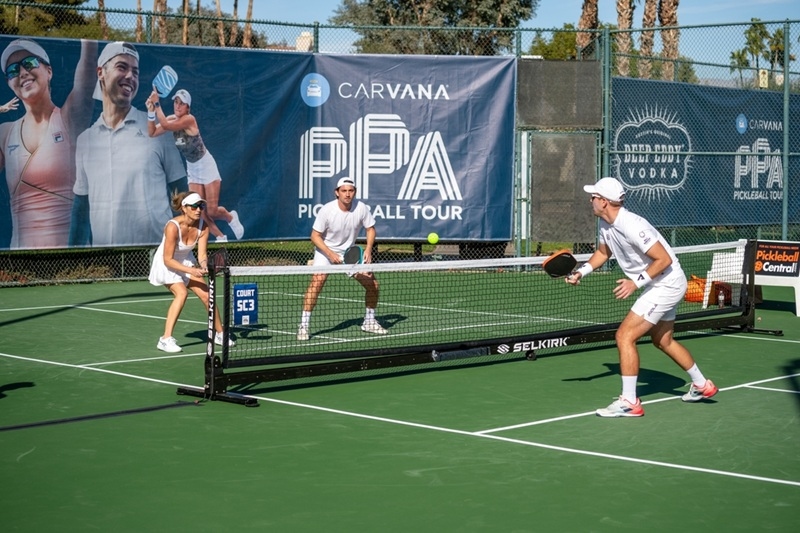
Pickleball used to be the sport people joked about after spotting a few retirees playing at a neighborhood court. That image has changed fast. Really fast. Across the United States, packed courts, waiting lists, and weekend competitions are becoming the norm rather than the exception. What makes this rise so interesting is that it’s not only about the game itself. Pickleball Tournaments are reshaping how communities interact with local sports. And honestly, the growth feels unusually organic.
It’s happening through word of mouth, local enthusiasm, and people simply wanting to get outside again. In this blog, we’ll look at how pickleball tournaments are influencing community sports culture, local economies, and the future of recreational athletics across America.
Local sports in the United States have gone through a noticeable shift over the past few years. Traditional recreational leagues still matter, of course, but pickleball has introduced something fresh.
One reason Pickleball Tournaments are growing so quickly is the learning curve. Beginners can usually rally within the first session. The court is smaller than a tennis court, the paddle feels manageable, and the pace isn’t overwhelming at first.
But here’s the interesting part. Once players improve, the strategy becomes addictive. Placement matters. Reflexes matter.
Across many American cities, unused tennis courts are being converted into pickleball courts. Public parks that once felt quiet during weekdays are now packed from morning through evening.
Some communities even schedule rotating tournaments every month. These aren’t huge professional productions either. Many are simple Community Sports Events organized by local volunteers or recreation departments.
Top Pick: How Local Events Build Community Bonds and Drive Growth?
There’s another reason the sport keeps spreading. The social side matters just as much as the competition.
Local Pickleball Clubs are popping up everywhere, from Arizona retirement communities to busy suburbs in Texas and Florida.
And most clubs operate with a surprisingly open atmosphere. New players are often encouraged to join beginner sessions or casual mixers before stepping into tournaments.
A few things clubs commonly organize include:
It’s sports mixed with community building, and people respond to that.
Most sports naturally split players by age. Pickleball doesn’t always work that way. Teenagers, young professionals, parents, and retirees often share the same courts. That’s pretty rare in American sports culture.
A 25-year-old software engineer might partner with a 60-year-old retired teacher in a local tournament. Oddly enough, it works.
Sports culture in America has changed noticeably since the pandemic years. Many people started looking for activities that combined exercise with social interaction.
Traditional gym workouts can feel isolating sometimes. You show up, wear headphones, finish your routine, and leave.
Pickleball creates a completely different atmosphere.
Players talk between points. Spectators gather courtside. Tournament organizers often turn competitions into mini-festivals with music, snacks, and sponsor booths.
That social atmosphere explains why the sport fits larger Sports Trends USA analysts have been tracking recently.
A few years ago, local tournaments mostly stayed local. Now clips from community matches spread quickly on TikTok, Instagram, and YouTube.
People see energetic rallies, packed courts, and laughing competitors. The sport suddenly looks fun instead of unfamiliar.
Apps and platforms are also helping players organize games faster. Tools like DUPR ratings help amateur players track their skill levels and find fair matchups.
Explore more: Top Strategies for Successful Community Event Management
Cities and towns across the United States are constantly searching for activities that bring people outdoors. Pickleball has unexpectedly become one of the strongest answers.
Even smaller pickleball events can generate meaningful local traffic.
Players often travel from nearby counties or neighboring states to participate in weekend competitions. That means hotel bookings, restaurant visits, coffee shop stops, and retail spending.
Some tourism boards are beginning to notice this economic effect. Resorts and recreation centers now advertise pickleball courts as a featured attraction.
There’s also been renewed interest in Outdoor Recreation Events generally. People want activities that get them outside without requiring extreme athletic ability.
Pickleball fits perfectly because it feels active without being exhausting for most participants.
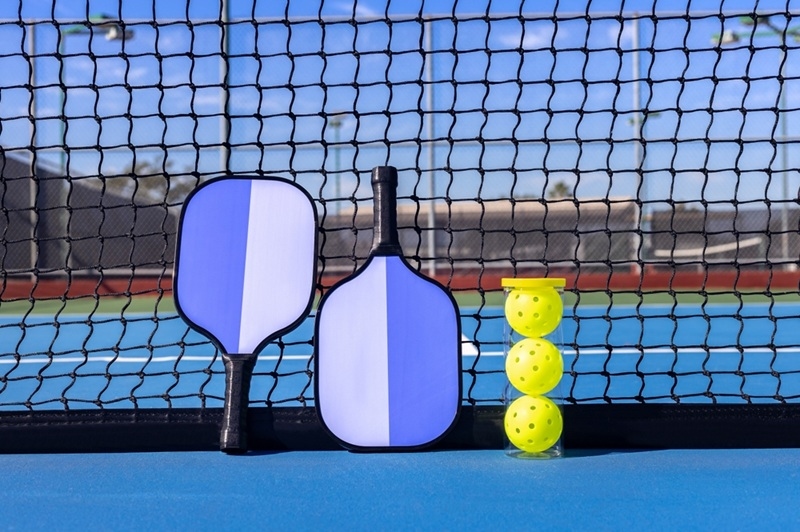
Pickleball isn’t like those sports where you need fancy gear or years of lessons just to show up. You really just need a paddle, some court shoes, and a sense of adventure. That’s it.
For years, many amateur athletes felt stuck between casual recreation and elite competition. Pickleball has created a middle ground that feels realistic for everyday players.
Local clubs always hold tournaments, and they break things down by skill level. So if you’re new, you play against other newbies. If you’re a bit more experienced, you’ll face folks on your level.
That makes jumping in way less scary. Nobody expects you to play like a pro from the start—just join, learn, and have fun. The tournament itself ends up being part of how you get better.
Tournament management tools have improved significantly over the past few years.
Apps now handle:
This technology makes Amateur Sports Competitions easier to organize, even for smaller communities with limited resources.
Read More: Mastering Local Event Planning & Promotions of Community
Pickleball’s rise across the United States is about much more than paddles and scoreboards. The sport has tapped into something people were clearly looking for: connection, activity, and community all wrapped into one experience.
Pickleball Tournaments are helping parks feel alive again. They’re creating stronger Local Pickleball Clubs, boosting Outdoor Recreation Events, and giving everyday athletes a chance to enjoy meaningful competition without overwhelming pressure.
Honestly, it's because pickleball is a breeze to pick up, doesn’t drain your wallet, and people love the social vibe. Cities and towns are putting money into new courts and recreation programs, so it’s way easier to jump in.
You’ll usually pay somewhere between $20 and $75, depending on where you are, the size of the event, and your skill level. That’s pretty cheap compared to most sports leagues.
Absolutely. Most events have beginner brackets just for new players. Organizers sort everyone by skill, which keeps games fun and fair. It makes the whole thing less intimidating, especially if you’re just starting out.
Definitely, especially in places where winter shuts down outdoor games. Gyms and rec centers are adding indoor pickleball courts to handle the surge in players. It’s catching on fast.
This content was created by AI