


Event capacity management plays a quiet but influential role in how events feel and function. When planned well, event capacity management keeps people comfortable, spaces organized, and movement smooth. In the first planning steps, event capacity planning and crowd management shape the entire experience. Event management tips often begin with understanding limits, flow, and space use. Venue capacity management and event planning strategies work together to prevent stress before it starts.
Most event problems come from too many people in the wrong place at the wrong time.
Event capacity management is not only about numbers. It is about safety, comfort, and precise movement. When capacity limits are ignored, even well-planned events struggle.
Key reasons event capacity management matters include
Crowd management for events works best when capacity rules are clear and followed early.
Don’t Miss This: Event Budgeting Tips That Keep Costs Under Control
Event capacity planning involves setting limits based on space, exits, and activity type. These limits protect guests and staff.
Event capacity planning considers
This process supports venue capacity management and avoids last-minute changes.
Late planning leads to rushed decisions. Event management tips often emphasize early planning to reduce pressure later.
What this really means is fewer surprises during the event.
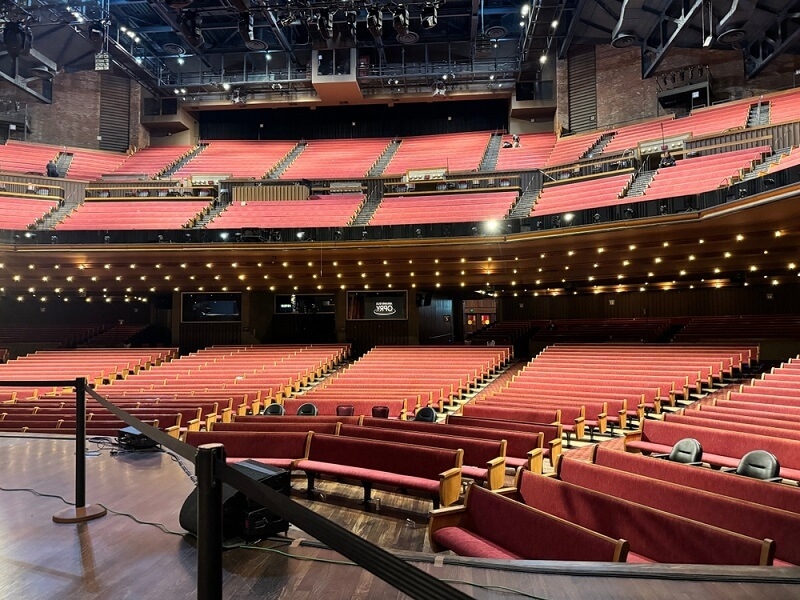
Venue capacity management starts with knowing official limits and practical limits. These are not always the same.
Important factors include
Event capacity management improves when these details are reviewed carefully.
Open space does not always mean usable space. Event planning strategies help organizers map the flow rather than guess.
Crowd management for events improves when space use feels natural.
Crowd management for events focuses on how people move, stop, and gather. Poor flow creates tension even when attendance is reasonable.
Event capacity management supports better flow by
Guests feel calmer when movement feels easy.
Crowds often build near entrances, food areas, and restrooms. Event management tips suggest monitoring these spots closely.
Minor adjustments prevent big problems.
Clear limits protect everyone. Event capacity planning should always include a maximum number that feels safe, not just legal.
Event capacity management works best when limits are communicated clearly to staff and vendors.
Controlled entry helps venue capacity management.
Helpful event management tips include
These tools support steady crowd management for events.
Safety should not feel separate from fun. Event planning strategies should include capacity decisions from the start.
Helpful strategies include
Event capacity management protects the event’s mood and purpose.
Attendance can change. Event capacity planning works best when backup plans are in place.
Options include
Flexibility supports venue capacity management.
Staff should understand capacity limits clearly. Event management tips often fail when communication breaks down.
Good practices include
Crowd management for events depends on teamwork.
Guests follow rules better when they understand them. Event capacity management improves with visible signs and polite reminders.
Clear messages reduce confusion.
Dive Deeper: Mastering Local Event Planning & Promotions of Community
Technology does not need to be complex. Basic tools support event capacity planning well.
Examples include
Venue capacity management improves when data stays readable and straightforward.
Tools support decisions, not replace them. Event planning strategies still need human judgment.
Balance matters.
Event capacity management does not stop once doors open. Ongoing checks keep conditions safe.
Staff should watch
Crowd management for events works best with constant awareness.
Small changes matter. Event management tips suggest acting early instead of waiting.
Examples include
Quick action prevents escalation.
Indoor spaces require stricter controls. Indoor event capacity planning must consider ventilation and exit access.
Indoor venue capacity management often requires closer monitoring.
Outdoor events feel open but still need limits. Outdoor event crowd management focuses on boundaries and weather conditions.
Event planning strategies should adjust accordingly.
Untrained staff miss warning signs. Event capacity management improves when staff understand crowd behavior.
Training topics include
Event management tips often stress practice over theory.
Staff should feel allowed to act. Venue capacity management fails when hesitation delays action.
Apparent authority supports safety.
Crowds give signals before problems happen. Event capacity management suffers when signs are ignored.
Watch for
Crowd management for events depends on noticing these changes.
Short-term gain leads to long-term issues. Event capacity planning should prioritize safety over numbers.
Event planning strategies that value guests build better reputations.
A strong plan does not need to be complex.
A basic event capacity planning checklist includes
Venue capacity management becomes easier with written plans.
Every event teaches lessons. Event management tips include reviewing capacity outcomes after the event ends.
Improvements come from reflection.
Further Reading: Top Strategies for Successful Community Event Management
Event capacity management supports safe, smooth, and enjoyable events when handled with care. Through precise event capacity planning, effective crowd management, and thoughtful event planning strategies, risks remain low, and comfort remains high. Venue capacity management protects guests and staff, creating events that feel organized, calm, and well-run from start to finish.
For outdoor events, capacity is less about fixed walls and more about a managed area. Work with local officials to determine how many people can safely fit in the designated perimeter, taking into account entry points, emergency access routes, and the placement of stages, tents, and facilities.
The most common mistake is using the maximum possible fire code number without accounting for your specific layout. A room’s capacity with only chairs is much higher than with tables, a dance floor, a stage, and a buffet. Always plan with your actual floor plan.
No. The venue's stated capacity is a legal limit set by the fire marshal for the maximum number of occupants, regardless of whether they are sitting or standing. Exceeding it is a serious safety violation and can result in the event being shut down.
A sound ticketing system lets you set hard caps on total attendance and individual sessions. It gives you real-time data on registration pace, helps you manage waitlists automatically, and serves as your first line of defense against overcrowding before it happens.
This content was created by AI